
The fear of failure holds more children back than failure itself. When children are raised to associate mistakes with shame rather than information, they begin to take fewer risks, attempt fewer new things, and gradually narrow the territory they are willing to explore. Teaching children to think differently about failure is one of the most valuable things an adult can do for them.
Reframe the Language Around Mistakes
The way adults talk about errors shapes how children feel about making them. Phrases like “that didn’t work, what could you try differently?” position failure as data. “You got that wrong” positions it as a verdict on the child. The distinction might seem small, but repeated over years it creates fundamentally different relationships with challenge and difficulty.
Model It Yourself
Children learn an enormous amount from watching the adults in their lives handle setbacks. A parent who talks openly about a mistake they made at work, or admits they do not know something and models how to find out, gives a child a far more useful template than one who projects an image of constant competence. Vulnerability, handled appropriately, is one of the most powerful teaching tools available.
Read More: GCSE Revision Tips: How Parents Can Help Their Child Succeed
Celebrate Effort and Persistence
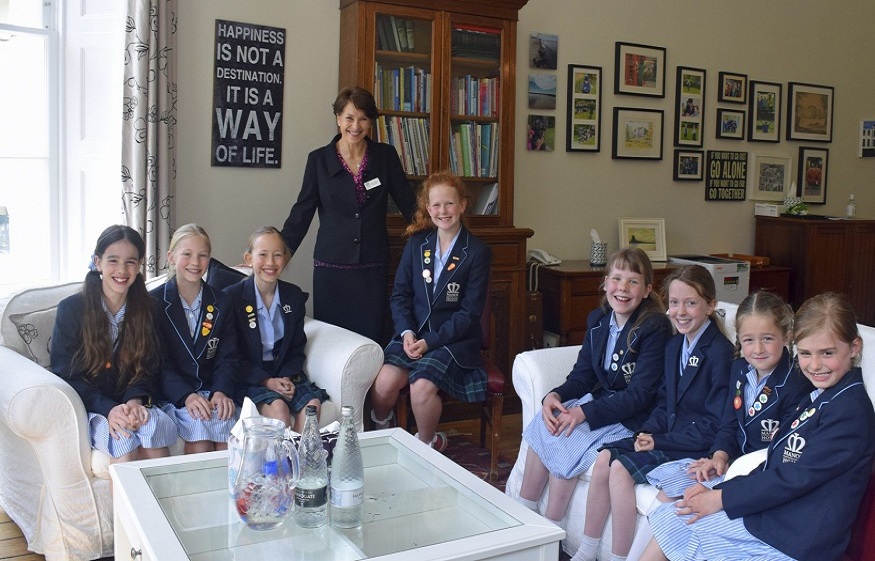
Schools that prioritise character development alongside academic achievement, such as Manor House School in Bookham, Surrey, understand that what a child learns from a disappointing result matters as much as the result itself. Praising a child for sticking with something difficult, for trying a new approach after the first one failed, or for asking for help rather than giving up, reinforces the habits that lead to long-term success.
Create Safe Conditions for Risk-Taking
Children need environments where it is genuinely acceptable to be wrong, to try something new and not yet be good at it, and to ask questions without embarrassment. This applies at home as much as at school. A child who feels safe enough to fail is a child who will eventually take the kinds of risks that lead to genuine discovery.
Read More: The Importance of Hobbies Outside the Classroom
Learn more about Manor House School’s approach to education at www.manorhouseschool.org.
| About Manor House School: Manor House School is an independent day school for girls aged 2 to 16 in Little Bookham, Surrey, set in seventeen acres of grounds and committed to developing confident, capable young women. |